Shanxi, a province in northern China, is renowned for its rich culinary heritage, deeply rooted in its history, geography, and agricultural traditions. Often called the "Home of Noodles" and the "Kingdom of Flour Foods," Shanxi cuisine (晋菜, Jin Cai) boasts a unique character that sets it apart from other Chinese regional cuisines. With a emphasis on wheat-based dishes, bold flavors, and hearty portions, Shanxi food reflects the province’s harsh climate and the resilience of its people. This introduction explores the defining features, iconic dishes, and cultural significance of Shanxi’s gastronomy, offering a glimpse into a culinary world that is both ancient and vibrant.
Shanxi’s cuisine is shaped by its natural environment. Located on the Loess Plateau, the province has a dry continental climate with cold winters and limited rainfall, making wheat the primary staple crop. As a result, flour-based dishes—noodles, dumplings, pancakes, and steamed buns—dominate the local diet. Unlike the lighter, more delicate flavors of southern Chinese cuisines, Shanxi food favors robust, savory tastes, often enhanced by vinegar, garlic, and soy sauce. The province is also famous for its aged vinegar, particularly Shanxi Mature Vinegar (山西老陈醋), which has a mellow yet complex acidity and is used generously in cooking and as a dipping sauce. Vinegar is not just a condiment here; it is a symbol of Shanxi’s culinary identity, believed aid digestion and warm the body in the cold climate.
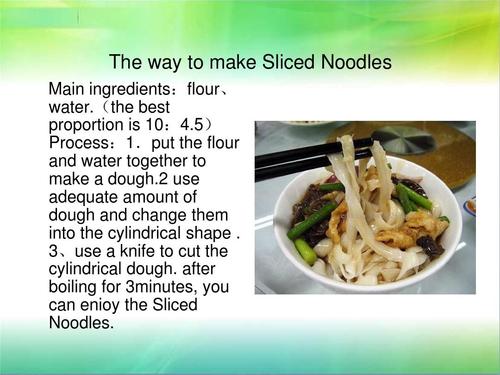
Noodles are undoubtedly the crown jewel of Shanxi cuisine. With over 200 varieties, Shanxi noodles come in different shapes, sizes, and preparation methods, each with its own name and story. For instance, Cut Noodles (刀削面, Daoxiao Mian) are a spectacle to watch: chefs skillfully slice dough from a block into boiling water with a large knife, creating chewy, ribbon-like strands. Served with meat-based sauces, mushrooms, or eggs, these noodles are a beloved everyday meal. Hand-Pulled Noodles (拉面, La Mian) showcase the chef’s dexterity, as the dough is stretched into thin, elastic threads that can be twisted into intricate shapes. Sliced Noodles (削面, Xuemian) are thinner and more delicate, often paired with light, flavorful broths. Another standout is Cat Ear Noodles (猫耳朵, Mao Er Duo), small, crescent-shaped dumplings that resemble cat ears and are stir-fried with vegetables or meat.
Dumplings (饺子, Jiaozi) hold a special place in Shanxi food culture, especially during festivals and family gatherings. Unlike the boiled or steamed dumplings of other regions, Shanxi dumplings are often pan-fried to create a crispy bottom while keeping the filling juicy. Pan-Fried Dumplings (锅贴, Guotie) are stuffed with a mixture of pork, cabbage, and chives, then cooked in oil until golden brown. During the Winter Solstice, it is customary for Shanxi families to make Dumplings with Soup (带汤饺子, Dai Tang Jiaozi), where dumplings are served in a hot, savory broth, symbolizing warmth and unity.
Flour-based pancakes are another staple, offering a versatile and portable food option. Savory Pancakes (葱花饼, Conghua Bing) are layered with scallions and fried to a flaky perfection, while Green Onion Pancake Rolls (葱油卷, Congyou Juan) are soft, fluffy rolls infused with the aroma of fried onions. For a sweet treat, Jujube Pancakes (枣糕, Zaogao) are made with red dates and wheat flour, offering a moist, cake-like texture that is popular as a snack or dessert.
Meat dishes in Shanxi cuisine are hearty and flavorful, often featuring lamb, pork, and beef. Fen Yang Hot Pot (羊汤锅, Yang Tang Guo) is a winter specialty, where lamb bones are simmered for hours to create a rich, milky broth, served with sliced meat, tofu, and vegetables. Braised Pork with Vermicelli (粉蒸肉, Fen Zhong Rou) is a festive dish where pork belly is marinated in soy sauce, rice wine, and spices, then steamed with vermicelli until tender. Another iconic dish is Shanxi Fried Pork (过油肉, Guo You Rou), where pork slices are stir-fried with mushrooms, bamboo shoots, and chili, resulting in a dish that is crispy, savory, and slightly spicy.
No exploration of Shanxi cuisine is complete without mentioning its vinegar. Shanxi Mature Vinegar, with a history dating over 3,000 years, is made from sorghum, peas, barley, and brine, and aged in clay jars for up to three years. It has a reddish-brown color, a mellow aroma, and a balanced acidity that enhances the flavor of dishes. Vinegar Noodles (醋面, Cu Mian) are a simple yet beloved dish, where noodles are tossed with a mixture of vinegar, chili oil, and garlic, creating a refreshing and tangy flavor. Vinegar is also used in cold dishes, such as Vinegar Cucumber (醋黄瓜, Cu Huanggua), to add a zesty kick.
Beyond individual dishes, Shanxi food culture is deeply tied to its history and traditions. The province was once a center of trade and power during the Tang and Song dynasties, and its cuisine reflects influences from various regions. For example, Shanxi Fried Rice (山西炒饭, Shanxi Chao Fan) incorporates ingredients like dried mushrooms and pickled vegetables, showcasing the province’s preservation techniques. Similarly, Steamed Bun with Meat (肉包子, Rou Baozi) is a staple breakfast food, with fillings that vary from region to region, often featuring local meats and vegetables.
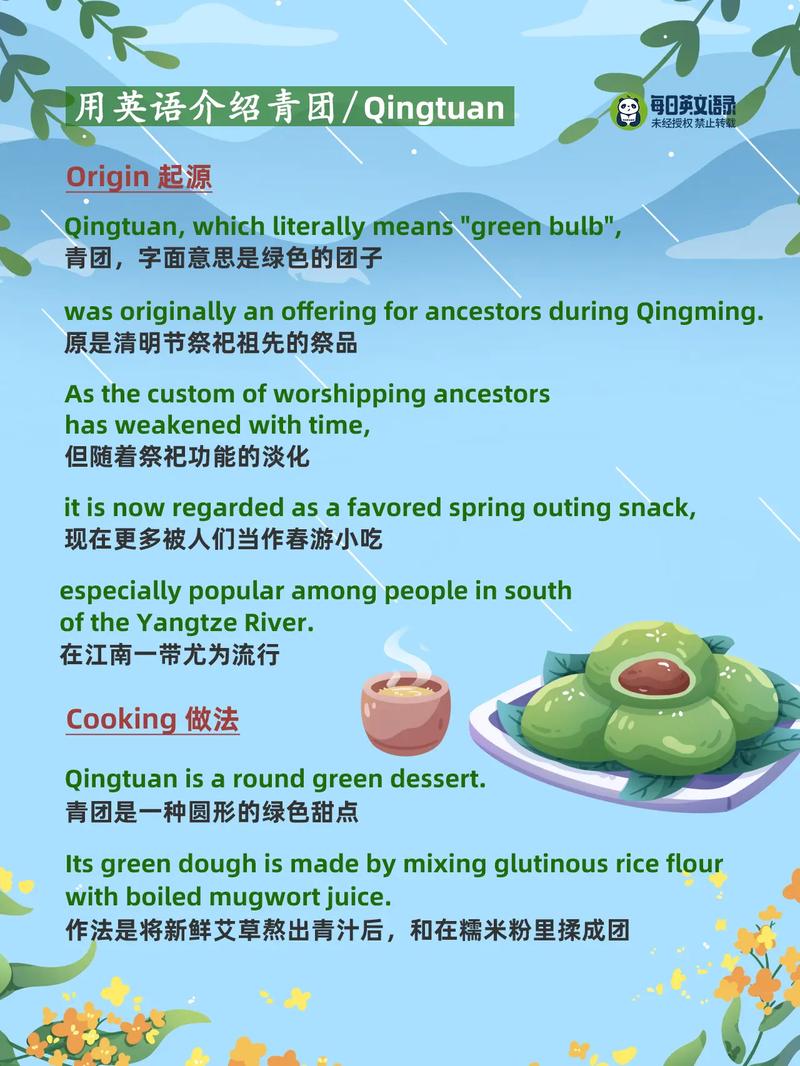
To better understand the diversity of Shanxi cuisine, here is a table highlighting some of its most representative dishes:
| Dish Name (Chinese) | Dish Name (English) | Key Ingredients | Flavor Profile |
|---|---|---|---|
| 刀削面 | Cut Noodles | Wheat flour, meat sauce, mushrooms | Chewy, savory, robust |
| 羊汤锅 | Fen Yang Hot Pot | Lamb bones, tofu, vegetables | Rich, milky, warming |
| 醋面 | Vinegar Noodles | Noodles, vinegar, chili oil | Tangy, spicy, refreshing |
| 锅贴 | Pan-Fried Dumplings | Pork, cabbage, flour | Crispy, juicy, savory |
| 过油肉 | Shanxi Fried Pork | Pork, mushrooms, bamboo shoots | Savory, slightly spicy |
In conclusion, Shanxi cuisine is a testament to the province’s agricultural abundance, historical depth, and culinary ingenuity. From the art of noodle-making to the mastery of vinegar aging, each dish tells a story of tradition and innovation. Whether you savor a bowl of hearty noodles, a plate of crispy dumplings, or a spoonful of aged vinegar, Shanxi food offers a sensory experience that is both comforting and unforgettable. It is a cuisine that celebrates simplicity, boldness, and the joy of sharing a meal with loved ones.
FAQs
-
What makes Shanxi cuisine unique compared to other Chinese regional cuisines?
Shanxi cuisine is distinct for its heavy reliance on wheat-based dishes like noodles, dumplings, and pancakes, as well as its liberal use of aged vinegar, which imparts a tangy flavor. Unlike the lighter, seafood-focused dishes of southern China or the spicy flavors of Sichuan, Shanxi food is hearty, savory, and tailored to the region’s cold climate, emphasizing ingredients that provide warmth and energy. -
Is Shanxi cuisine suitable for vegetarians?
While Shanxi cuisine is meat-heavy, there are several vegetarian options available. Dishes like Savory Pancakes (葱花饼), Green Onion Pancake Rolls (葱油卷), and Vinegar Cucumber (醋黄瓜) are vegetarian-friendly. Additionally, vegetable dumplings filled with cabbage, mushrooms, or tofu are commonly found in local markets. However, many traditional dishes contain meat or meat-based broths, so vegetarians should specify their dietary preferences when dining out.